Shaping Ground for Better Drainage
Land Grading in Saluda for uneven homesites, poorly draining yards, and sloped construction pads
Uneven terrain, standing water, and poorly shaped land create problems for building, access, and long-term property use. Land grading shapes and levels the ground to improve drainage, establish stable construction pads, and create safer access routes across residential and commercial sites in Saluda. Clay soil and sloped wooded lots in this region often retain water in low spots, making proper grading essential before construction or driveway work begins.
Grading involves moving soil to create controlled slope, filling low areas that collect water, and compacting the surface to support planned use. Precision equipment adjusts elevation incrementally, ensuring water flows away from structures and pads remain stable under load. Properties with natural slope or mixed soil composition require careful planning to avoid erosion or settling after grading is complete.
Schedule grading before driveway installation, building construction, or yard improvement begins.
What You Notice Once Grading Is Finished
The grading process starts with surveying the lot to identify high and low points, drainage patterns, and areas where soil needs to be cut or filled. Equipment operators work in passes, adjusting grade incrementally and checking slope with laser or mechanical levels to maintain accuracy. Final passes smooth the surface and compact the soil, creating a stable base that resists settling and channels water predictably.
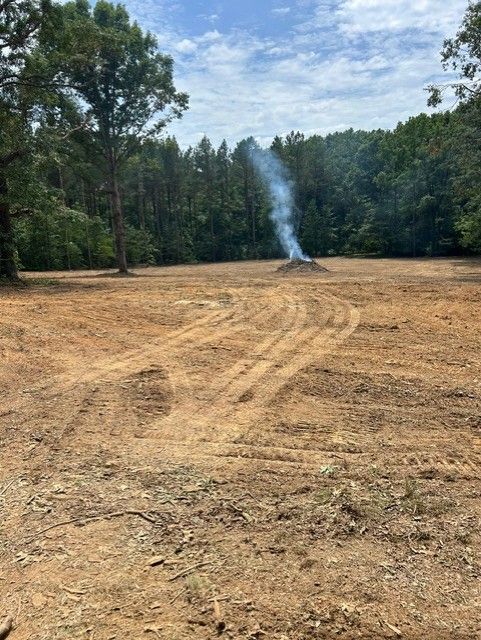
Once grading is complete, water drains away from buildings and driveways instead of pooling in low areas. The ground feels firm underfoot, construction equipment operates more efficiently, and builders have a level starting point that reduces delays. Property owners notice that muddy spots dry out faster and access routes remain passable after rain.
Grading establishes proper slope and surface elevation but does not include underground drainage installation or soil amendment. Those steps are planned separately if needed based on site conditions and long-term water management goals.
What Property Owners Usually Ask
Clients preparing for construction, driveway work, or yard improvement often have questions about how grading affects drainage, what the process involves, and when it should be scheduled.
What does grading actually do to the land?
Grading reshapes the surface by cutting high spots and filling low areas, creating controlled slope that moves water away from structures and use areas.
How is slope determined during grading?
Slope is set based on drainage needs, building pad requirements, and natural terrain, typically using laser levels or mechanical grading equipment to maintain consistent pitch.
When should grading happen relative to construction?
Grading should be completed after clearing and before any building, paving, or permanent installation work begins so the base is stable and properly sloped.
Why does clay soil in South Carolina require careful grading?
Clay compacts unevenly and retains water, making it prone to settling and erosion if grading does not account for proper compaction and drainage slope.
What site conditions affect grading complexity?
Existing slope, soil composition, tree roots, rock presence, and planned use all influence how much soil must be moved and how precisely the grade must be controlled.
Halls Precision Earthworks provides land grading for residential homesites, driveways, access roads, and commercial pads throughout Saluda. Request a site evaluation to review grading needs and confirm drainage planning before the next phase of your project begins.