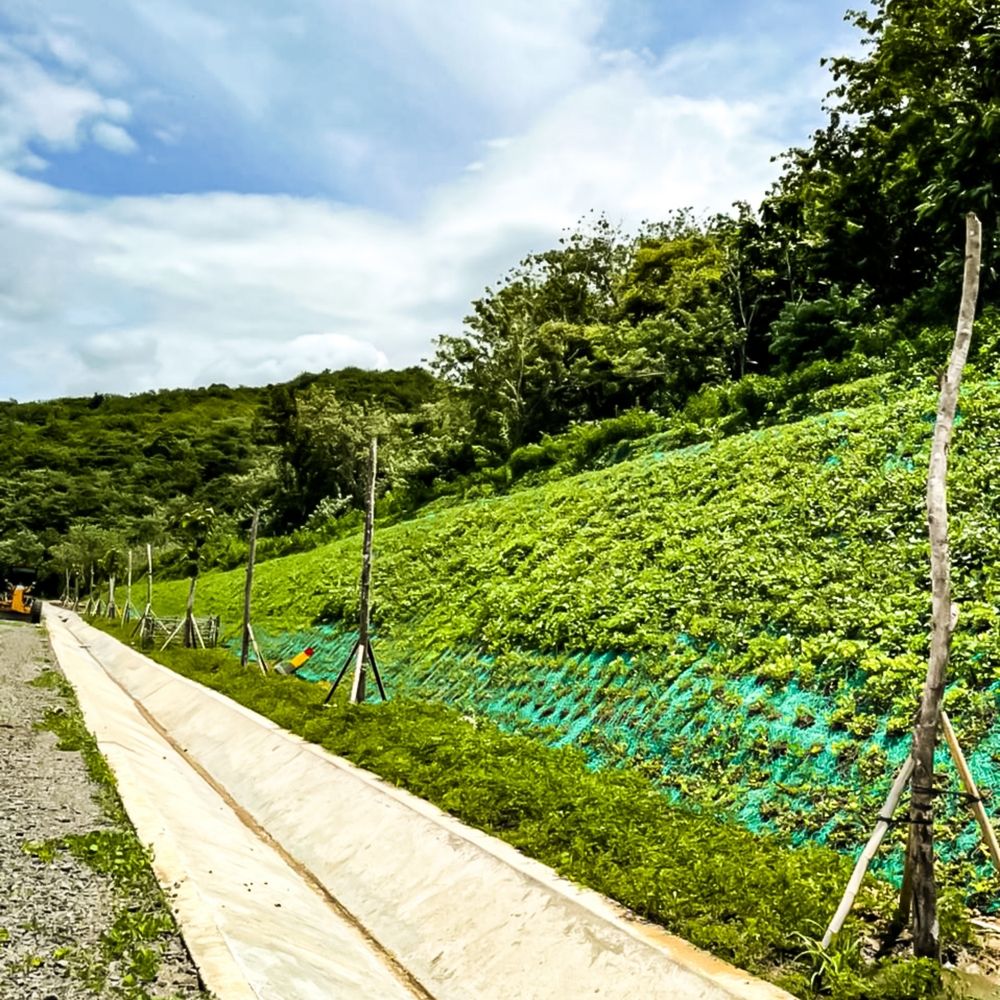
Slopes Protected from Washout
Erosion Control in Saluda for soil, slopes, driveways, and work areas exposed after grading
Exposed soil loses structure when heavy rain washes away topsoil, carves ruts across slopes, and deposits sediment into drainage systems or neighboring properties. Erosion control protects soil, slopes, driveways, and work areas from washout by stabilizing surfaces that have been disturbed during grading, clearing, driveway repair, or site preparation. Halls Precision Earthworks applies erosion control measures across Saluda, South Carolina, to address common needs after projects that remove vegetation, reshape terrain, or expose subsoil to rainfall and runoff.
The service reduces runoff issues by slowing water velocity across slopes, prevents sediment from clogging culverts or drainage channels, and strengthens long-term property stability by maintaining soil in place until vegetation establishes or hardscaping is installed. Methods include installing silt fencing to capture sediment before it leaves the property, applying erosion control blankets to hold soil on steep slopes, seeding disturbed areas to promote root growth, and adding riprap or gravel to reinforce areas where concentrated water flow occurs.
Discuss erosion control options before the next rain event to prevent soil loss and drainage problems.
What Proper Erosion Control Requires
Effective erosion control starts with identifying where water flows during rain, because runoff concentrates in swales, along driveway edges, and at grade transitions where slope changes occur. Installing controls before rainfall prevents the first storm from carving channels that deepen with each subsequent event, and timing installation immediately after grading or clearing maximizes protection during the vulnerable period before vegetation establishes.
Once erosion control measures are in place, you see stabilized slopes where soil remains in position rather than washing into gullies, clearer drainage paths where sediment no longer clogs culvert inlets, and maintained property lines where runoff previously carried soil onto neighboring parcels. Driveways show less rutting because surface material stays intact instead of migrating downhill, and seeded areas germinate evenly because topsoil remains in contact with seed rather than washing away before roots form.
Erosion control measures require periodic inspection and maintenance, especially after heavy rain events that test the installation, and some temporary measures like silt fencing or straw wattles are removed once vegetation is established or permanent hardscaping is completed. The service focuses on protecting soil during the transition period when disturbance has occurred but final stabilization is not yet in place.
What Property Owners Usually Ask
Sloped land, heavy rain, and rural access paths across Saluda create conditions where erosion control becomes necessary after grading or clearing, and the details below address how the service fits into project timelines and long-term site stability.
What happens if erosion control is not installed after grading?
Exposed soil erodes rapidly during the first rain, carving channels that deepen with each storm, washing away topsoil needed for vegetation, and depositing sediment into drainage systems that become clogged and require costly cleaning or repair.
How does erosion control improve drainage performance?
Erosion control slows runoff velocity so water infiltrates soil rather than sheeting across the surface, captures sediment before it enters culverts or ditches, and maintains designed grades so drainage paths continue to function as intended without erosion-induced low spots or high spots.
When should erosion control be installed during site preparation?
Erosion control should be installed immediately after grading or clearing is completed and before the next forecasted rain, because even light rainfall can begin eroding loose soil and establishing flow patterns that worsen over time.
Why do rural properties in Saluda need erosion control more than suburban lots?
Rural properties often include longer slopes without interruption from structures or landscaping, exposed driveways that channel runoff over bare soil, and wooded areas where clearing removes root systems that previously held soil in place during storms.
What materials are used for erosion control on slopes and driveways?
Materials include erosion control blankets made of coconut fiber or straw that degrade as vegetation establishes, silt fencing installed along downslope edges to capture sediment, riprap or angular gravel placed in concentrated flow areas, and hydroseed or straw mulch applied to promote rapid vegetation growth.
Halls Precision Earthworks installs erosion control as a smart add-on for projects that disturb soil across Saluda, preventing washout and drainage problems before rain creates bigger repair needs. Schedule erosion control measures after grading or clearing to protect your investment and maintain site stability.